
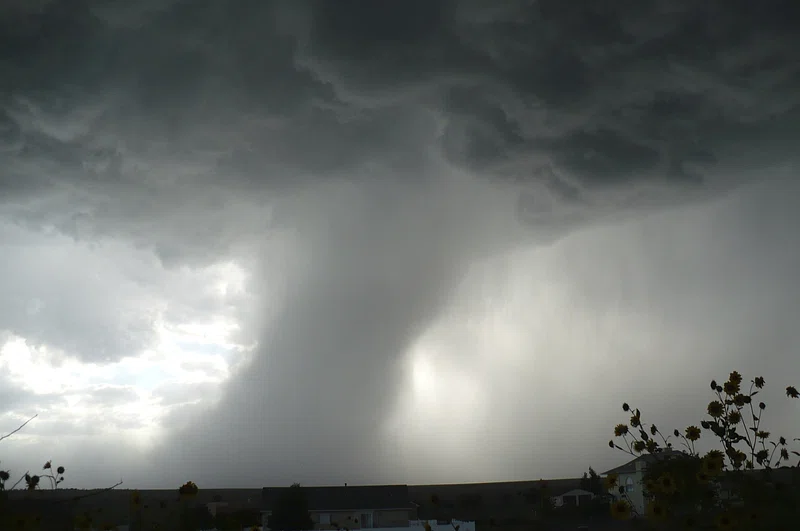
There are many things to love about living in Florida, from its beaches and wildlife reserves to its metropolitan areas and nightlife. With plenty of sunshine and warm temperatures that allow for outdoor activities even during winter, Florida offers something that many people in other states envy. However, any Floridian who has spent significant time in the Sunshine State knows that we can experience some extreme weather conditions, including thunderstorms, heavy rainfall, and hurricanes. But when someone is injured due to someone else’s negligence, how do weather conditions and personal injury claims affect recovery?
Motor Vehicle Accident Liability in Bad Weather
Adverse weather conditions can cause or contribute to car accidents in many different ways, but it is important to remember that as a driver, you have a duty to be prepared and act with ordinary prudence when dealing with dangerous weather conditions. When a driver fails to behave in a reasonable manner and causes an accident as a result, they can be held responsible for any injuries suffered by the injured party.
What is reasonable differs depending on the specific weather conditions. For example, while it’s reasonable to drive the speed limit on a sunny day, it may be unreasonable to drive the speed limit during a thunderstorm. Similarly, having your headlights on is reasonable when there is thick fog but not necessary when it’s clear.
Legal Defenses for Negligence in Bad Weather
There are certain defenses that can affect liability in bad weather accidents. If you are in an auto accident in dangerous weather, you may find yourself in a situation where an insurance adjuster or the other party denies your claim by citing one of these defenses.
Sudden emergency
Sometimes, there’s no way to avoid emergencies, even when you are used to Florida’s wild weather. To assert this defense, a party must show:
- A verifiable emergency took place,
- The defendant did not create the emergency,
- The defendant was presented with multiple options to act, and
- A reasonable driver in a similar situation would have a similar outcome.
Florida’s weather can change without notice. One second you’re driving on dry pavement, and the next you’re navigating an afternoon downpour. This defense often hinges on whether the emergency was foreseeable. Random storms happen, but it is easier to predict danger ahead when driving into the heart of a hurricane.
Acts of God
In Florida law, an act of God refers to an event that is out of human control for which no human can be held legally responsible. This includes tornadoes, flash floods, hurricanes, and other natural disasters. If the events, however horrible they may be, were not a product of human action, a human cannot be held legally liable. This defense can be difficult to use in auto accident cases, but sometimes extreme weather events warrant it. For example, if a flash of lightning knocks down a tree and suddenly causes an accident with another vehicle, the driver may not be held liable as the event was out of the driver’s control.
Premises Liability in Bad Weather Conditions
Inclement weather can impact premises liability claims, as well. Humans can’t control the weather, and sometimes a property owner can’t do anything to prevent a weather event from causing danger or injury. For example, if someone slips and falls on asphalt while outdoors, there may not be much the owner can do to remove the danger. To prove a premises liability claim, a plaintiff must show:
- The property owner owed a duty of care,
- They breached their duty, and
- The breach caused you to suffer injuries and actual damage.
To succeed on a premises liability claim where bad weather is involved, you will need to show that the owner was aware of the danger presented by the weather and could have taken reasonable precautions to reduce that danger. For example, if an owner did not take reasonable steps to keep their trees trimmed and a branch fell and hit someone during a windstorm, the owner could be held responsible.
Protecting Your Rights in a Bad Weather Personal Injury Claim
In the aftermath of an accident, it is easy to be overwhelmed by all kinds of stressors, especially if you or a loved one is injured or worse. While evidence is vital to any personal injury claim, having strong evidence is critical after an inclement weather accident. Sometimes storms can pass in a day or even hours. If you are able, gather as much evidence as you can. This establishes the exact weather conditions at the time of the accident and shows how they may have affected the other party’s behavior and your subsequent damages. Evidence that you should collect for your bad weather personal injury claim includes:
- Photos and videos of the weather conditions and accident scene,
- Photos and videos of vehicle and other property damage,
- Witness statements,
- Expert witness reports,
- Weather reports, and
- Cell phone records.
The most important thing after an accident involving bad weather conditions is to ensure your safety. If you have questions about evidence you should gather for an insurance claim or a possible civil case, seek the advice of a Florida personal injury attorney as soon as you can.
Possible Damages in a Florida Personal Injury Case
If you were injured in a bad weather accident and believe another party was negligent, you may be entitled to damages. In Florida, plaintiffs can seek compensation for losses such as lost wages, medical bills, future medical costs, pain and suffering, and more. Under Florida law, some plaintiffs may be able to seek punitive damages as well. These are designed to discourage wrongdoers from intentionally acting in the same or similar manner that led to the injury.
Contact Us
If you have questions about weather conditions and personal injury claims or have been injured in an accident where inclement weather is involved, don’t handle the aftermath alone. James “Jay” Horne is an AV-Preeminent litigation attorney with a track record of success for his clients. He approaches each case as unique and devotes his full attention to each client, no matter the size of the claim. To talk about your case, call our office to set up an appointment, or fill out our online contact form to get started.

James “Jay” Horne is an AV-Preeminent rated aggressive litigation attorney, who focuses his practice on medical malpractice, personal injury and family law matters. He has successfully represented clients from case inception through trial and appeals in state and federal court. Jay was born and raised on the Suncoast. He is married and proud father to a one year old son. In his free time, he enjoys traveling, golfing and distance running during the cool months.


 Loading...